







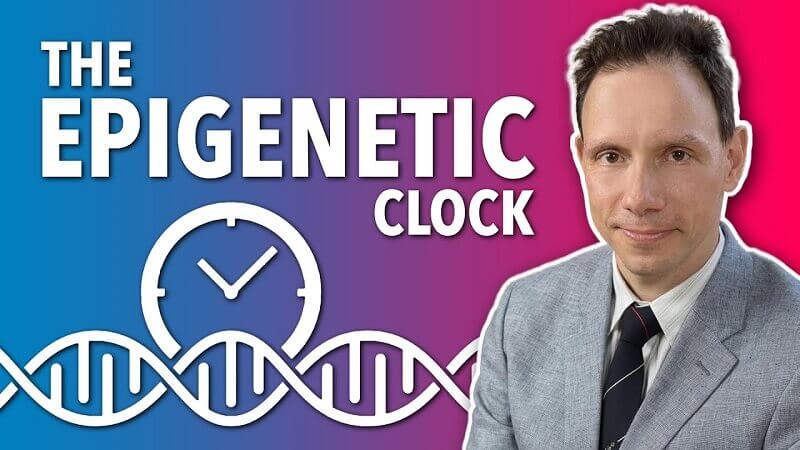
Steve Horvath was ahead of his time when he discovered how to measure biological age using saliva samples.
In 2011, Horvath, who was a genetics professor at UCLA back then, published a breakthrough research that showed that chemicals in our saliva can tell us how healthy and old we are.
“At the time it was a very curious finding, that you spit in a cup and you measure the age,” Horvath told Insider. “It was largely ignored.”
Now, more than a decade later, there are many longevity companies that claim to measure your biological age using spit or blood tests based on Horvath’s discovery.
“It’s nice to see,” he said. “But, there’s also a danger that overly enthusiastic people offer something, and the science isn’t quite there. That makes me so nervous.”
- Steve Horvath
Researcher
These tests are not cheap. They can cost hundreds of dollars, and they need DNA samples from your spit, cheek cells, blood, or urine.
(Researchers can also use the same technique to estimate the age of wild animals like polar bears, elephants, zebras, horses, and more than 100 other mammal species.)
These tests work by measuring chemical changes in DNA, which change over time and depend on both environmental and biological factors, such as our genes and our lifestyle. Basically, the tests show how fast or slow we are aging.
Related Video: Never Eat These 10 foods after the age of 50.
But Horvath — who now works as a principal investigator at the secretive longevity startup Altos Labs — said consumers should not trust these flashy DNA-based biological age tests too much.
“The most important thing I want to tell the consumer is: do it only if you have a sense of humor,” he said. “People should be relaxed about it.”
The best way to test your biological age. A biological age test is not enough to know how healthy you are. You should also look at other important indicators, such as blood pressure, weight, cholesterol, and blood sugar.
Horvath’s most accurate test is called GrimAge, which he named after the Grim Reaper. He said it is “our best mortality risk predictor” so far.
The GrimAge test measures chemical changes on 1,030 different parts of our DNA, to roughly estimate how fast we are aging. But Horvath warned that GrimAge is not a death predictor.

Biological age tests only measure how your health compares to your actual age today. They cannot predict your future health many years from now.
Right now, the tests are not very helpful for doctors.
But Horvath hopes that someday, doctors will be able to use biological age tests to prescribe new anti-aging treatments that can help improve longevity and lower biological age.
“We are not there yet for a variety of reasons,” Horvath said. “And the most important is: we don’t have a pill.”
Steve Horvath
So what can you do to lower your biological age without spending money on expensive tests or waiting for miracle pills? Horvath has four simple and cheap tips:
-
Eat less sugar and processed foods.
-
Exercise regularly.
-
Avoid smoking and excessive drinking.
These tips may seem obvious, but they can make a big difference in your health and aging. Horvath said he follows them himself and has seen positive results.
“I’m 54 years old now,” he said. “But my biological age is 48.”